
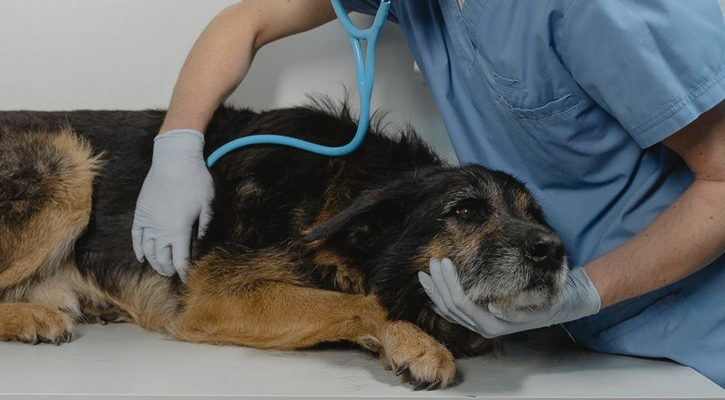
Pets become an important part of our families, and as they grow older, their care needs often change. Senior dogs and cats may not always show clear signs of health concerns in the early stages, which is why regular veterinary visits become more important during their later years.
Table of Contents
- When Is a Pet Considered Senior?
- Why Are Regular Health Checks Important for Senior Pets?
- Important Health Checks for Senior Dogs and Cats
- Physical Examination and Overall Health Assessment
- Dental Health Checks for Older Pets
- Blood Tests and Diagnostic Screening
- Joint and Mobility Assessments
- Nutrition and Weight Monitoring for Senior Pets
- Signs Your Senior Pet May Need Extra Veterinary Attention
- How Senior Pet Care Supports Aging Dogs and Cats
- How Often Should Senior Pets Visit a Veterinarian?
- Choosing Professional Senior Pet Care in Encino
- Frequently Asked Questions About Senior Pet Health
- Conclusion
Aging can bring changes in energy levels, mobility, digestion, weight, and overall behavior. With proper monitoring and preventive care, pet owners can help their companions stay comfortable and enjoy a better quality of life. Senior pet care in Encino focuses on supporting older pets through regular health evaluations, personalized recommendations, and early detection of age-related concerns.
Understanding the health checks senior pets need can help owners make better decisions and provide the right support throughout their pet’s golden years.
When Is a Pet Considered Senior?
The age when a pet becomes a senior can vary depending on their breed, size, and overall health. Larger dogs often age faster than smaller breeds, while cats may show signs of aging at different stages of life.
Some common signs that a pet may be entering their senior years include:
- Reduced activity levels
- Changes in sleeping habits
- Difficulty climbing stairs or jumping
- Weight changes
- Changes in appetite
- Increased sensitivity or behavior changes
These changes are not always a normal part of aging. Sometimes, they may indicate an underlying health concern that requires attention. Regular veterinary visits can help identify these changes early and support better aging pet health.
Why Are Regular Health Checks Important for Senior Pets?
Older pets can develop health issues that may not be noticeable at home. Routine examinations allow veterinarians to check for changes and recommend care based on each pet’s needs.
Regular senior pet wellness exams can help with:
- Monitoring overall health
- Tracking weight and body condition
- Checking mobility and comfort levels
- Identifying early signs of illness
- Reviewing nutrition and lifestyle needs
Preventive visits are especially valuable because many health conditions are easier to manage when detected early. A consistent approach to preventive pet care can help senior pets maintain comfort and daily function.
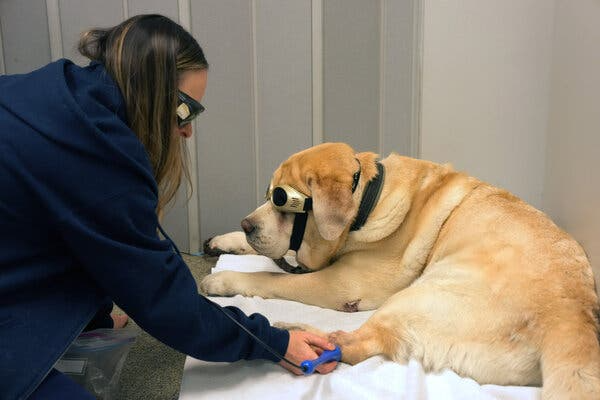
Important Health Checks for Senior Dogs and Cats
Senior pets benefit from more detailed health evaluations compared with younger animals. These checks allow veterinarians to understand how a pet’s body is changing over time.
Physical Examination and Overall Health Assessment
A physical examination is one of the most important parts of veterinary care for senior pets.
During an exam, a veterinarian may evaluate:
- Weight changes
- Skin and coat condition
- Muscle strength
- Joint movement
- Heart and breathing patterns
- Signs of discomfort
Small changes in a pet’s appearance or behavior can provide valuable information about their health. Regular examinations help create a clearer picture of a pet’s condition and allow care plans to be adjusted when needed.
Dental Health Checks for Older Pets
Dental problems become more common as pets age. Issues such as plaque buildup, gum disease, and tooth discomfort can affect eating habits and overall wellness.
Senior pets should have their dental health monitored because untreated dental concerns may impact their comfort and daily activities.
Signs of dental problems may include:
- Bad breath
- Difficulty chewing
- Dropping food
- Reduced interest in eating
Regular dental evaluations are an important part of complete senior pet care and help support better comfort as pets get older.

Blood Tests and Diagnostic Screening
Many age-related health concerns may not show obvious symptoms at first. Blood tests and diagnostic screenings can provide helpful information about a pet’s internal health.
Veterinarians may recommend testing to monitor:
- Kidney function
- Liver health
- Blood sugar levels
- Overall organ function
These evaluations can be especially useful for senior pets because they allow veterinarians to identify changes that may not be visible during a regular physical examination.
Joint and Mobility Assessments
Changes in movement are common in older pets. Some dogs and cats may develop stiffness, reduced activity, or difficulty performing everyday movements.
Joint evaluations can help identify concerns related to:
- Arthritis in senior pets
- Muscle loss
- Reduced flexibility
- Mobility challenges
Owners may notice signs such as reluctance to climb stairs, slower walking, or avoiding activities they previously enjoyed.
Supporting joint health through proper nutrition, lifestyle adjustments, and veterinary guidance can improve comfort and mobility for aging pets.
Nutrition and Weight Monitoring for Senior Pets
A pet’s nutritional needs may change as they get older. Senior pets may require adjustments based on their activity level, weight, and health condition.
Regular weight checks can help identify:
- Unhealthy weight gain
- Sudden weight loss
- Changes in appetite
- Difficulty maintaining body condition
A veterinarian can provide recommendations for senior pet nutrition and help owners understand how diet changes may support their pet’s health.

Encino Pet Hospital and Emergency provides veterinary care focused on helping pets receive appropriate attention throughout every stage of life. Pet owners looking for Senior Pet Care in Encino can work with a veterinary team to understand their pet’s changing needs and create a suitable care approach.
Signs Your Senior Pet May Need Extra Veterinary Attention
Pet owners should pay attention to changes in their senior pets and schedule a veterinary visit if they notice unusual symptoms.
Some signs that may require professional attention include:
- Increased thirst or urination
- Sudden weight changes
- Loss of appetite
- Difficulty moving
- Frequent vomiting or digestive changes
- Increased tiredness
- Changes in personality or behavior
While some changes may be related to aging, others may indicate health concerns. Regular checkups help ensure pets receive appropriate support.
How Senior Pet Care Supports Aging Dogs and Cats
Older pets need care that matches their changing needs. A personalized approach helps veterinarians monitor health changes and provide recommendations that support comfort and wellness.
Senior dog care may include monitoring mobility, nutrition, dental health, and age-related changes. Similarly, senior cat care focuses on areas such as weight management, kidney health, dental monitoring, and behavior changes.
Every pet ages differently, which is why individualized care is important. Regular wellness visits allow veterinarians to understand each pet’s unique needs.
How Often Should Senior Pets Visit a Veterinarian?
The frequency of veterinary visits depends on factors such as age, breed, health history, and existing conditions. Some senior pets may benefit from more frequent monitoring than younger animals.
Regular pet wellness exams allow veterinarians to track changes over time and provide guidance based on a pet’s condition.
Pet owners should discuss an appropriate visit schedule with their veterinarian to ensure their aging pets receive consistent care.
Choosing Professional Senior Pet Care in Encino
Finding the right veterinary support is an important part of helping pets age comfortably. A trusted veterinary team can provide health evaluations, answer questions, and guide owners through different stages of their pet’s life.
Professional senior care may include:
- Routine health assessments
- Wellness monitoring
- Diagnostic testing when needed
- Nutrition guidance
Frequently Asked Questions About Senior Pet Health
What age is considered senior for dogs and cats?
The senior stage depends on factors such as breed, size, and overall health. Some pets may show signs of aging earlier, while others remain active for longer.
How often should senior pets have health checkups?
The recommended schedule depends on the pet’s age and health condition. Regular visits help monitor changes and identify concerns early.
Do older pets need blood tests?
Blood tests can help evaluate internal health and detect changes that may not be visible through a physical examination alone.
What are common health problems in senior pets?
Older pets may experience concerns related to joints, dental health, weight, kidney function, and other age-related conditions.
How can I improve my senior pet’s quality of life?
Regular veterinary care, proper nutrition, comfortable living arrangements, and attention to changes in behavior can help support a senior pet’s quality of life.
Conclusion
Aging is a natural part of every pet’s life, but senior dogs and cats need extra attention to stay healthy and comfortable. Regular health checks, preventive care, and professional guidance can help identify changes early and support better long-term wellness.
With proper Senior Pet Care in Encino, pet owners can provide their aging companions with the support they need during their later years. Routine veterinary visits and a proactive approach to health can help senior pets continue enjoying a happy and comfortable life.


 0
 0