

Decking screws are a crucial component in the construction and maintenance of any deck. They ensure the structural integrity of the deck, providing both stability and longevity. Selecting the right decking screws and installing them correctly can make a significant difference in the performance and appearance of your deck. In this comprehensive guide, we will discuss how to choose and install decking screws.
Table of Contents
Choosing the Right Decking Screws
Material Matters
The material of the decking screws is vital for durability and performance. The most common materials used are stainless steel, coated steel, and galvanized steel.
- Stainless Steel Screws: These are highly resistant to corrosion and rust, making them ideal for decks exposed to harsh weather conditions or near coastal areas. They are durable and offer a long-lasting solution, albeit at a higher cost.
- Coated Steel Screws: These screws are coated with a protective layer to resist corrosion. They are more affordable than stainless steel screws but may not last as long in extremely harsh environments.
- Galvanized Steel Screws: These are coated with zinc to prevent rusting. They are cost-effective and suitable for most decking projects but might not be as durable as stainless steel screws.
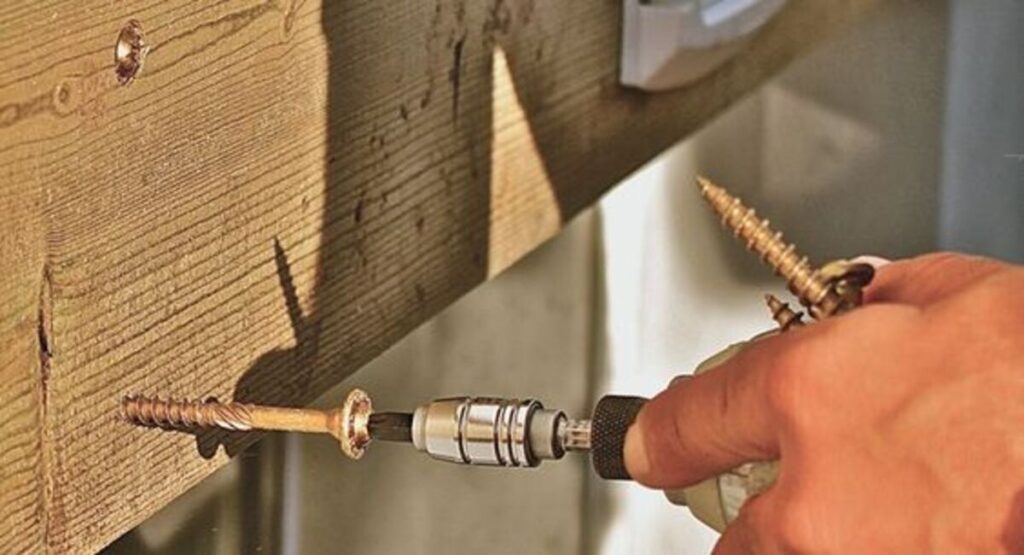
Screw Length and Diameter
Choosing the correct length and diameter is essential for a secure deck. The length of the screw should be at least twice the thickness of the decking board to ensure it penetrates deeply into the joist below.
- Common Lengths: Decking screws typically range from 2 1/2 inches to 4 inches. The most common lengths used are 2 1/2 inches for standard decking and 3 1/2 inches for thicker boards.
- Diameter: A standard diameter for decking screws is #10 or #8. Thicker screws (#10) provide better-holding power but may require pre-drilling to prevent splitting the wood.
Screw Threads
The thread design of the decking screws affects their holding power and ease of installation.
- Coarse Threads: These provide better grip in softer woods and are easier to drive in.
- Fine Threads: These are suitable for hardwoods and denser materials, offering greater holding power without splitting the wood.
Head Style
The head style of the screw influences its appearance and functionality. Common head styles include:
- Flat Head: Sits flush with the decking surface, providing a clean look. Suitable for most decking applications.
- Trim Head: Smaller in diameter, ideal for hidden or more discreet fastening.
- Bugle Head: Distributes the load over a larger area, reducing the risk of the wood splitting.
Installing Decking Screws
Preparation
Proper preparation is key to a successful installation. Ensure all tools and materials are ready before starting.
- Tools Needed: Drill, drill bits, screwdriver bits, measuring tape, chalk line, and safety equipment.
- Pre-drilling: Pre-drilling holes can prevent the wood from splitting, especially in hardwoods or when using thicker screws. The pilot hole should be slightly smaller than the screw’s diameter.
Installation Steps
- Marking the Screw Locations: Use a chalk line to mark the positions of the joists under the decking boards. This ensures you drive the screws into the joists, providing maximum stability.
- Spacing: Maintain even spacing between screws, typically 16 to 24 inches apart along each joist. This ensures uniform pressure distribution and prevents the decking boards from warping.
- Driving the Screws: Use a drill or impact driver to drive the screws into the decking boards. Hold the drill at a 90-degree angle to ensure the screw goes in straight. Drive the screw until the head is flush with or slightly below the decking surface.
- Check Alignment: Periodically check the alignment of the boards and adjust as necessary. This helps maintain a straight, even deck surface.

Finishing Touches
After all screws are installed, perform a final inspection to ensure all screws are flush or slightly recessed. Sand any rough edges or protruding screw heads to prevent injuries and ensure a smooth finish.
Maintenance Tips
Regular maintenance can prolong the life of your deck and keep it looking its best.
- Inspection: Regularly check for loose or protruding screws and tighten or replace them as needed.
- Cleaning: Keep the deck clean and free of debris to prevent moisture buildup and wood decay.
- Sealing and Staining: Apply a sealant or stain to protect the wood from the elements and enhance its appearance.
Conclusion
Choosing and installing the right decking screws is crucial for the durability and aesthetics of your deck. By selecting the appropriate material, length, diameter, thread type, and head style, you can ensure a strong and secure deck. Proper installation techniques and regular maintenance will keep your deck in excellent condition, providing a safe and beautiful outdoor space for years to come.


 0
 0